
Radon Inspections in Pierre, SD: Home Safety Guide
Many homeowners in Pierre are surprised to learn how common elevated radon levels are in South Dakota, especially because this gas cannot be seen, smelled, or tasted, which makes it easy to overlook until testing reveals a concern. The soil in our region naturally contains uranium that breaks down over time, releasing radon gas that can seep into homes through cracks, sump pits, or gaps around utility lines. If you want to protect your family from an invisible hazard, contact us today at (605)-390-0464 to schedule radon inspections with Rushmore Radon Mitigations.
Radon is known as a silent threat because it enters a home quietly and often increases during colder months when windows remain closed and air circulation is limited. The only way to determine the level inside your home is through reliable radon gas testing, which provides accurate results and clear next steps for mitigation if needed.
Why South Dakota Is Considered a High‑Risk Area for Radon
South Dakota consistently ranks as one of the highest-risk states for radon exposure due to the natural geological makeup of the soil, which produces elevated levels more frequently than most other regions across the country. Homes of all ages, styles, and foundations can experience radon infiltration, even those that were built recently or appear tightly sealed.
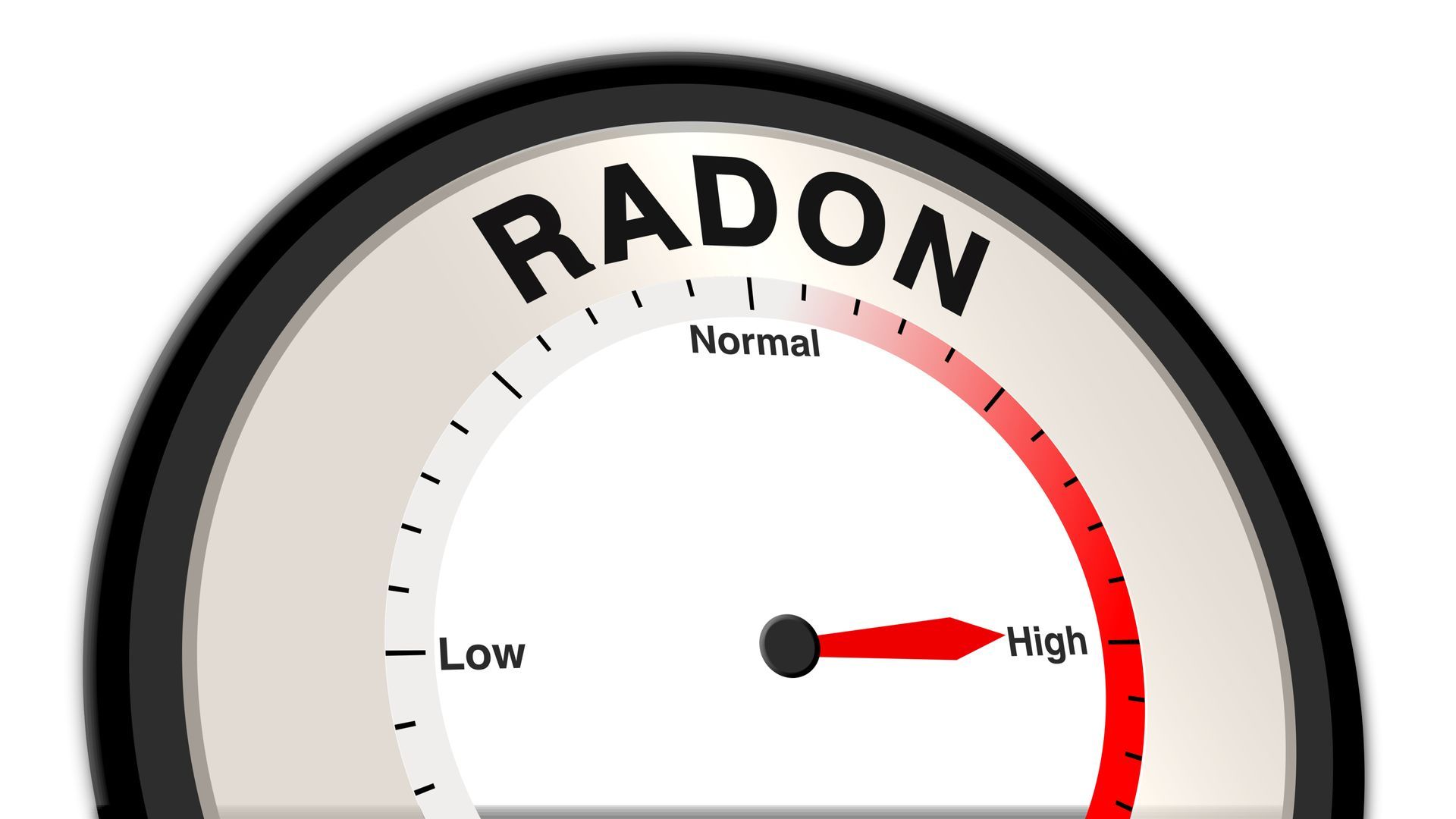
Because radon enters from the ground, its presence does not depend on a home’s cleanliness or design choices, making proactive inspections essential for long-term safety. When radon concentrations rise above recommended levels, homeowners face serious health concerns, which is why seasonal testing remains a critical step for families in Pierre.
What Professional Radon Inspections Include
When you schedule radon inspections, you receive a detailed evaluation that measures your home’s radon levels using specialized equipment placed in strategic areas. These monitors collect data over a set period to provide accurate, trustworthy results that reflect real living conditions.
A professional inspection begins with an initial walk-through to identify common entry points and ensure the device is placed properly. After the monitoring period ends, your inspector reviews findings with you and provides guidance based on the results so you can understand the safest course of action for your home and your family.
Why Radon Gas Testing Is the Only Way to Detect This Silent Hazard
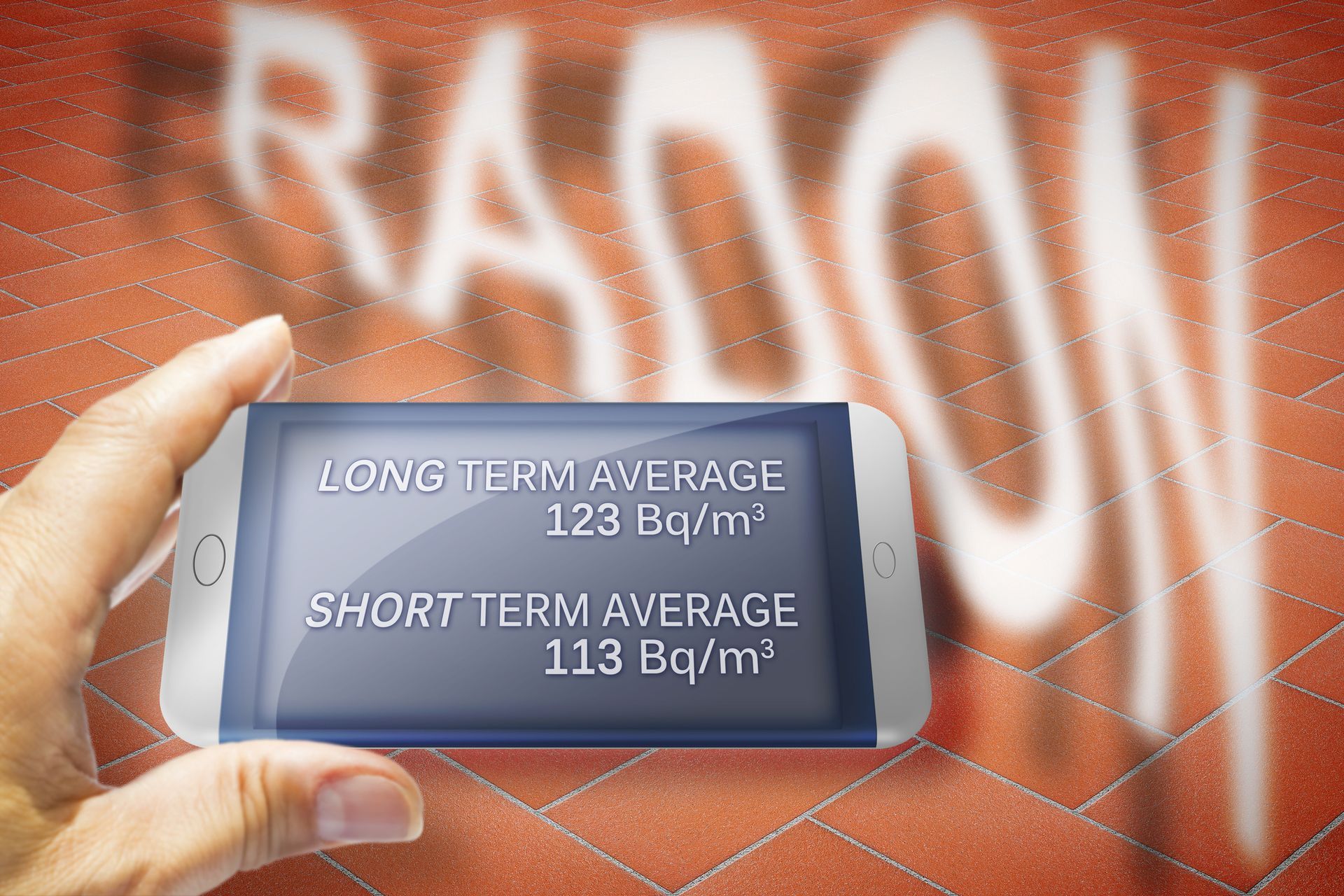
Radon has no scent and no color, so homeowners cannot identify its presence without professional measurement tools that track changes in air quality over time. Radon gas testing helps determine whether your home is within safe limits or whether levels have climbed high enough to require mitigation.
If you want more information about radon testing options in Pierre, SD.
Because levels can shift with seasons, weather conditions, and ventilation changes, experts recommend testing during winter months when homes are sealed tightly, as this often reveals the highest concentration readings of the year.
Signs Your Home May Have Elevated Radon Levels
While radon gives no direct warning, certain conditions increase the likelihood of elevated readings.
Your Home Is Located in a High-Risk Region
Because much of South Dakota sits in Zone 1, the EPA’s highest-risk category, most homes are advised to complete radon testing regardless of age or foundation style.
You Notice More Basement Moisture or Soil Shifts
Although radon cannot be detected by smell or moisture, shifting soil or visible gaps in basement areas can make it easier for radon to enter living spaces.
Your Home Has Never Been Tested or Has Not Been Tested Recently
If you have lived in your home for several years without an updated test, radon inspections offer peace of mind and ensure your family remains safe.
Why Winter Is the Best Season for Radon Testing
During winter, homeowners close windows, seal doors, and limit fresh airflow, which traps indoor air and allows radon levels to rise. When the ground freezes, radon has fewer pathways to escape outdoors, so it is more likely to move upward into homes through foundation cracks or sump systems.
Testing during this season provides the most accurate representation of the highest radon concentrations your household might experience each year, making it the ideal time for inspections and potential mitigation planning.
How Mitigation Works After Testing Confirms Elevated Levels
If your inspection reveals radon levels above recommended guidelines, professional mitigation systems help reduce concentrations by redirecting radon from beneath the foundation and venting it safely outdoors. These systems operate quietly and continuously, keeping indoor radon levels low throughout every season of the year.
Modern mitigation systems are designed to be energy efficient and long-lasting, which ensures families stay protected without constant adjustments or maintenance requirements.
Why Rushmore Radon Mitigations Is the Right Choice for Your Home
Rushmore Radon Mitigations is a trusted provider offering radon inspections and mitigation solutions in the Pierre area, helping families stay safe with detailed testing, clear explanations, and dependable equipment. Our team uses professional tools that deliver accurate readings, and we take time to review each part of the process so you always feel informed and supported.
Whether you have never tested your home before or you want updated results for long-term peace of mind, we are here to help you understand your options and choose the safest path forward.
Schedule Your Radon Inspection in Pierre, SD, Today
Every homeowner deserves a safe living environment, and the first step is knowing what radon levels exist inside your home. Rushmore Radon Mitigations is ready to help you create a safer space with reliable testing and professional guidance.
Call us at (605)-390-0464 now for an inspection quote or send us a message to get started today.